

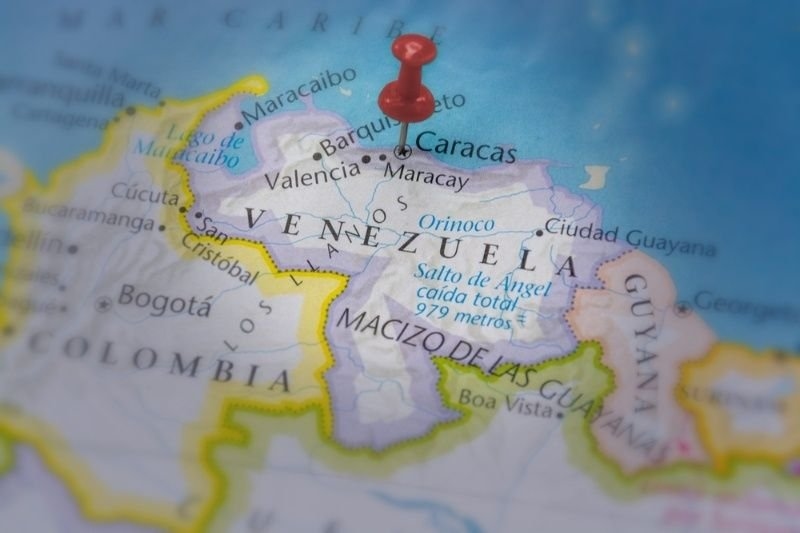
Nevertheless, investors have a reason to buy into the prospect of Venezuelan assets thanks to its oil reserves, resources, and an opportunity for economic rebound. But years of instability and changing rules and regulations for investing make every decision complicated. Anyone interested in investing in Venezuela should do their research on the Venezuelan economy and understand all the investment risks.
Venezuela investments have drawn a lot of attention due to some recent signs of economic improvement in the nation, which has suffered a period of decline for many years. Oil continues to dominate production in Venezuela, though businesses have gradually reopened in certain sectors. Still, the Venezuela economy is dealing with consistent challenges such as currency problems and rising inflation.
Several buyers are looking to invest in Venezuela due to depressed asset valuations in the region, compared to similar assets elsewhere. Many investors see opportunities in Venezuela investments simply because asset prices are low when compared to other locations. However, low asset prices alone do not necessarily represent a great opportunity, especially because the investment risks are extremely high given political uncertainty and shifting laws.
If you like emerging markets investing, then investing in Venezuela means doing more due diligence than you normally would. You have to weigh any potential benefits against the risk of things turning sour.
The Venezuelan economy has made progress compared to previous years, though progress has not come quickly or easily. Oil output has improved in periods of time, some businesses have started again, and spending has risen a bit. Yet, long-term issues continue to be in play for Venezuela investment.
Some major issues affecting the Venezuelan economy include:
The problem is with Venezuela, the uncertainty of future government policy, and the future of business. Investing in Venezuela involves observing economic developments as they happen, not investing just for profit at a later date.
Venezuela, although it has problems associated with it, is a country where very few people would invest, but others say that in the future, there may be potential to invest here. The oil and gas sector, mining operations, and agricultural efforts have attracted interest from investors, as has the travel industry and telecom sector.
Foreign companies have tentatively entered select Venezuela sectors where government regulations are more encouraging. Many believe getting in on the ground floor of markets that are recovering can pay significant dividends if the country moves toward continued growth.
Emerging markets investing rewards patient investors who have a high appetite for risk. A rebound may eventually occur in Venezuela, but there is no assurance that the progress will come steadily. It will pay to go into any Venezuela investments with a clear-eyed perspective that takes into account a very uncertain future.
Read More: Direct Indexing Strategy Replacing Traditional ETFs in 2026
Investment risks are likely the first and foremost concerns for anyone looking into Venezuela investments. Government regulations, tax policy, access to currencies, and business operations are all influenced greatly by political decision-making.
The most significant investment risks include:
Foreign investment is also impacted by shifting governmental regulations around business ownership and operations. Potential investors should consider these potential impacts on their potential returns.
Due diligence is a significantly higher standard in Venezuela investments than in many other emerging market investment opportunities. The management of risk is paramount to identifying profit potential.
International investment is an integral part of the economic recovery measures. The flow of foreign capital contributes to job opportunities, the upgrading of infrastructure, and improved productivity of a wide range of industries. Foreign investment has not reached the earlier levels, but it has been increasing, particularly in the energy sector, industry, agriculture, and technology. Multinational companies continue to examine the scope for investment and keenly observe the political situation.
With increased regulation clarity and improved investor sentiment, Venezuela's economy could greatly benefit from increased foreign investment. However, for the foreseeable future, international investment is likely to be highly selective until more concrete protections are provided for foreign investors and a stronger economic outlook emerges.
Anyone considering Venezuela investments should view policy analysis of the government's actions with a higher priority than an analysis of the financial performance of companies.
Emerging market investing typically means many countries are characterized by opportunities with high uncertainty. As a country, Venezuela offers considerably more economic and political risk compared to many other developing economies. More favorable emerging market investing options offer higher standards of financial regulation and easier market access.
Venezuela is unique in its opportunities, with many undervalued assets following years of decline. Investors should consider comparing their potential Venezuela investments with the multitude of other emerging markets investment alternatives before they proceed.
Investors can approach this analysis by examining regulatory consistency, economic growth rates, diversity of investment options, and the associated investment risks in the selected emerging markets. A single market is rarely representative of a whole portfolio, especially when considering a highly uncertain investment.
Your consideration for investing in Venezuela will depend on the various aspects of your own investment profile. If you have an aversion to uncertainty, then a Venezuela investment might be something to avoid. If you're an experienced investor with a well-diversified portfolio, you might consider a small allocation.
The potential for foreign investment may continue to rise if the pace of economic reform and political stability continues to increase. However, there are still significant risks involved. Due diligence is crucial to a successful investment in Venezuela.
In emerging market investing, identifying potential profit is equally important as understanding the risk. Successful investment strategies in countries such as Venezuela will likely require patience, careful monitoring, and perhaps professional financial advice before they result in a significant ROI.
Venezuela investments present both opportunities and uncertainties. Coupled with an indication of a slow rise in economic growth, these natural resources capture significant international attention, but the risk associated with investing in Venezuela remains an ongoing consideration.
Venezuela’s economic picture continues to change, and in turn, businesses with their finger on the pulse of this nation continue to engage investment opportunities with their eye on calculated assessments.
This can vary on a variety of things, including your country, existing sanction laws, the industry you’d like to invest in, or applicable regulations. While many sectors will be welcoming to foreign investors, other ones are simply prohibitive. If you wish to invest in Venezuela, ensure that you do your research on the laws at hand, consult an attorney, and check if compliance regulations are currently in place.
While oil and gas remain the top investment contender, agriculture, mining, telecom, logistics, and consumer services are gaining ground. Each of these industries is associated with varying degrees of risk, which means investors must evaluate the economic conditions of the industry, regulations, and demand in the long term to invest in Venezuela and expand operations or business activities to Venezuela.
A small individual investor may find it difficult to buy stocks and has limited options as the country faces financial difficulties. However, certain investors buy shares indirectly through stocks of international firms that do business with Venezuela’s economy. Before the individual investor decides to put his money in this sector, he has to make up his mind about the type of investment and the cost, regulations, and benefits it has for his total assets.
Investing in Venezuela could bring huge risks, which is why a diversified portfolio is important. Diversification reduces risk and makes the financial position better in the long term. Diversifying investments to include assets in various countries, industries, and classes will help balance an investor’s portfolio and reduce the total risk to assets, thus leading to better investment decisions and an overall healthier financial stability.
This content was created by AI